Not All Estrogen Is the Same: How Estradiol, Estriol, and Estrone Differ and Why That Matters for Skin
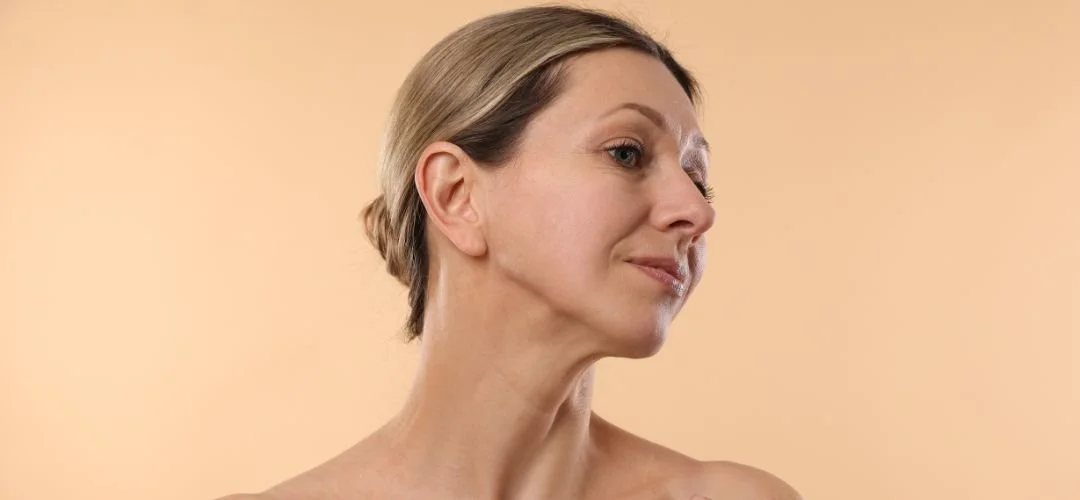
Women in their 40s and 50s start noticing changes. Thinning skin, dryness, loss of elasticity, deeper lines, discoloration. They want guidance on what to use, and they want to understand why their skin is changing. Yes, years at the beach, pool, and lake have played a role in photoaging the skin, and that deserves credit for many lines, brown spots, and broken blood vessels. But there is something else at play that causes women’s skin to age faster at menopause. That something is estrogen.
But not all estrogen is the same.
If you are hearing about estradiol, estriol, and estrone, especially in conversations around skin, it is important to understand that these are three different molecules with different strengths, behaviors, and effects in the body.
Estradiol is the most potent and biologically active
Estradiol, also known as E2, is the primary estrogen during your reproductive years. It is the most biologically active form of estrogen, and binds to estrogen receptor alpha, which is associated with systemic hormonal effects, and estrogen receptor beta, which is highly present in the skin.
Because of this, estradiol plays a significant role in collagen production, skin thickness, hydration, and elasticity, and its loss at menopause leads to a decline in all of the above.
In hormone therapy, estradiol is available in multiple forms, including transdermal patches, transdermal gels, oral formulations, vaginal estradiol, which is used locally, and estrogen rings. When prescribed systemically, it is intended to affect the entire body, not just one area.
It is also indicated at a lower concentration for topical vulvovaginal use without significant systemic absorption to treat the genitourinary syndrome of menopause.
The question I often get about estradiol for facial application is around dosage, frequency, and strength.
Women should not apply estradiol gels that are intended for systemic absorption to the face. This can impact systemic levels and increase the risk of systemic side effects.
The facial estradiol conversation centers on the low-dose vaginal-strength estradiol 0.01% cream. The quantity and frequency of application are not well established for the face, and the main concern about overdoing this would be the risk of unopposed estrogen. Because vaginal 0.01% estradiol used as indicated for genitourinary syndrome of menopause at a loading dose of 1 gram daily x 2 weeks and then 2-3 x per week thereafter does not have significant systemic absorption and has not been shown to thicken the uterine lining, it can be prescribed to women with a uterus without accompanying progesterone. But at what amount and frequency does a medication intended for local use become systemic and require progesterone to prevent unopposed estrogen’s impact on the uterine lining?
Many women have experienced the rejuvenating impact of vaginal estradiol on hydration, blood flow, and structure of the vaginal area. Hence the interest in applying it more broadly to the face and beyond. But how much is too much? As a woman with a uterus and a dermatologist with an understanding of hormone receptor biology and half-lives, I have applied a small amount of my vaginal estradiol to my eye area and neck, never exceeding 1 gram twice weekly total dosing between my face and vulva area combined. I’m not worried about this impacting me systemically. After all, facial skin is keratinized and systemic absorption is less efficient through keratinized skin than mucosal skin.
That being said, the systemic impact is clearly about more than blood levels. In one study of estradiol on the face, estrogen levels did not increase but prolactin levels did. Some women have reported breast tenderness on vaginal estradiol. Those effects are only possible with systemic impact, and must be respected when considering applying this active hormone to an off-label area.
This is one reason why skincare is looking more toward the next type of estrogen I will review for facial use.
Estriol is weaker, more targeted, and getting more attention in skincare
Estriol, or E3, is the dominant estrogen during pregnancy. It is considered a weaker estrogen compared to estradiol and has a stronger preference for estrogen receptor beta. Outside the US, estriol is used in systemic and local hormone therapy. In the US, it is available in hormone therapy formulations from compounding pharmacies.
Estriol has gained the attention of the dermatology and skincare world because of its affinity for estrogen receptor beta. The skin is rich in estrogen receptor beta, and this receptor is associated more with local tissue effects than systemic ones. Because of this receptor preference and lower potency, estriol is being studied more in dermatologic contexts and included in some formulations designed specifically for facial application.
It is not risk-free, but it is part of the reason you are seeing more nuanced conversations about estrogen in skincare. Estriol is the active estrogen you will see from compounding pharmacies’ facial formulations. From a risk standpoint, science suggests estriol could be less systemically impactful than estradiol. For facial aging, estriol appears equivalent to estradiol in most studies. The other benefit of a facial estriol cream is that it is made to absorb and wear well on the face. Putting vaginal estrogen on the face can feel like putting gym socks on your hands instead of gloves. They both provide warmth, but gloves fit and feel better.
I switched over to an estriol 0.3% facial cream from my vaginal estradiol because it layers better with my other nighttime products, namely my retinoid and my moisturizer.
The downside of the estriol creams is the price tag. Depending on the compounding pharmacy, they can cost $55 and up. Vaginal estradiol, on the other hand, can be under $15 with insurance. It can and should also be used for its on-label purpose to treat the genitourinary syndrome of menopause, where it can prevent UTIs, keep us out of adult diapers, and make sex feel good again.
Basically, if you feel that you want an estriol cream for your face, please also get an estradiol cream for your vagina.
Estrone is the postmenopausal estrogen and less promising for skin
Estrone, or E1, becomes the predominant estrogen after menopause. It is mostly produced in peripheral tissues from androstenedione, an adrenal androgen.
While estrone is available in some countries for local hormone therapy, its role in facial skin health is less encouraging. In small studies evaluating estrone for facial aging, it did not show improvement in collagen production, skin thickness, or hydration. More notably, there were concerns that it may upregulate inflammatory pathways, which could contribute to collagen breakdown.
So while estrone is part of the hormonal landscape after menopause, it is not currently a strong candidate for improving skin quality. Women from outside the US frequently ask me about putting estrone on their faces, and my answer remains that studies don’t show that it helps, and there is some evidence that it may accelerate collagen breakdown. Estrone on facial skin is not a great combination, and for me, for now, it’s a no.
The takeaway is that the molecule matters
When we talk about estrogen for skin, we are not talking about one thing. We are talking about different molecules, different receptor binding patterns, different strengths, and different clinical effects. That distinction matters.
Because using estrogen, especially outside of how it was prescribed, is not a cosmetic decision. Estrogen is not just another cream or skincare serum. It’s an active hormone. The benefits of using estriol or estradiol on the face, or anywhere outside the vulvovaginal area, must be weighed against established and biologically plausible risks. Melasma is a great example of a biologically plausible risk that has not been well studied. Estrogen and UV exposure can exacerbate melasma. If a woman has melasma, I would not put any estrogen formulation on a UV-exposed area like her face. Maybe time and more research will alter my view on that, but for now, there are other less problematic options.
Facial estrogen use is off-label, not well studied, and lacks endometrial safety data. I doubt we will ever see a randomized placebo-controlled trial of a facial estrogen product that includes endometrial biopsies. We will have to settle for some degree of uncertainty or accept other assurances on that front.
The biology is intriguing though, and in my “protect what you have, replace what you’ve lost” approach to skin health and aging, replacing estrogen in facial skin and possibly beyond fits the framework. Whether it earns a legitimate place in foundational menopause skincare regimens remains to be seen.
From reading the literature to looking in the mirror, I’ll be watching closely.
