Decoding Hormonal Acne
If you’ve ever wondered why certain breakouts just won’t quit, even when you’re doing everything “right,” you’re not alone. Hormonal acne can be frustrating, stubborn, and, let’s be honest, unfair. But understanding what’s happening beneath the surface is the first step toward clearer, healthier skin.
Let’s break it down.
The Hormonal Root of Breakouts
Hormonal acne usually shows up because of a sensitivity to or relative excess of androgens, those “male” hormones that we all have. Sometimes, persistent acne can even signal an underlying condition like Polycystic Ovary Syndrome (PCOS).
Other common triggers include starting a hormonal IUD or transitioning into perimenopause. Basically, anytime your hormones shift, your skin might respond.
How to Spot Hormonal Acne
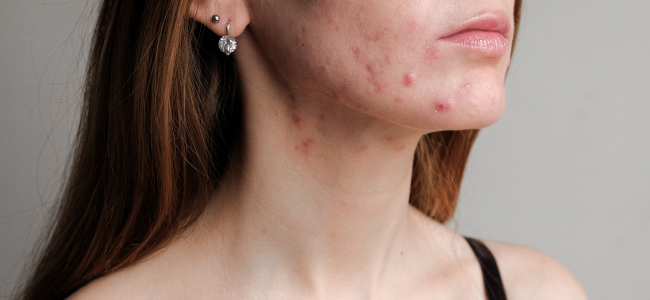
Hormonal acne has a pretty recognizable pattern once you know what to look for. It’s not random, but rather follows your body’s hormonal rhythm and tends to show up in the same stubborn spots every month.
Here’s the quick guide:
Location: Jawline, chin, and neck are the most common hotspots.
Timing: Breakouts often follow your menstrual cycle, flaring mid-cycle or right before your period.
Type: Think deeper, more painful cysts or nodules rather than superficial whiteheads or blackheads.
If your acne checks these boxes, it’s likely hormonal.
Diet & Home Care Essentials
While you can’t control your hormones completely, you can help your skin.
Minimize Food Triggers:
Limit cow’s milk dairy.
Reduce high-glycemic foods like sugar and processed carbs.
For some people, chocolate may aggravate breakouts.
Topical Toolkit:
Retinoids: OTC retinol or prescription-strength options like adapalene help keep pores clear.
AHAs/BHAs: Salicylic and glycolic acids gently exfoliate and prevent buildup.
Benzoyl Peroxide: Spot-treat stubborn pimples and fight acne-causing bacteria.
Hormonal acne is about working with your body, not against it. Small, consistent changes—like adjusting your diet and using the right skincare ingredients—can make a big difference over time.
Prescription Solutions
Sometimes, topicals aren’t enough; that’s when we target the root internally.
Hormone-Targeting Therapies:
Spironolactone: Blocks androgen receptors and helps reduce hormonally driven acne.
Oral Contraceptive Pills (OCPs): Certain types can balance hormones and clear skin.
Other Prescription Options:
Oral antibiotics (short-term) or topical anti-inflammatory/antimicrobial agents.
Prescription retinoids.
Isotretinoin: Reserved for severe or scarring acne.
Professional In-Office Treatments
To speed up results and prevent scarring, professional treatments are key:
Facials & Expert Extractions: Sterile extractions clear clogged pores safely, no popping at home!
BBL Clear: Targets acne bacteria and reduces inflammation with a 420nm filter.
VI Peels: Helps clear active acne and fade post-acne dark spots.
Microneedling (with or without RF): The gold standard for improving acne scar texture.
The best results usually come from finding the right combination of treatments and home care for your skin type and lifestyle.
A Crucial Evaluation
If your hormonal acne comes with scalp hair loss or dark facial hair growth, it’s worth being evaluated for PCOS or other androgen excess disorders. Early detection can make a big difference in both your skin and overall health.
Ready for Clearer Skin?
Don’t wait to take control of your skin.
Attend Dr. Erickson’s Free Webinar on Hormonal Acne on November 13 at 12:15 pm.
Schedule an appointment with Dr. Erickson for a personalized plan.
Order a dermatologist-approved acne regimen from our online store.
Clear, healthy skin is possible, and understanding your hormones is the first step!