Why Estradiol Can Worsen Melasma (or Trigger it for the First Time)
There’s a growing interest in using estradiol on the face.
And with that, I’m getting a very specific question over and over:
“Will it make melasma worse?”
The short answer:
It can.
And in some cases, it can even trigger melasma in someone who has never had it before.
This is the part of the conversation that often gets left out.
What Is Melasma, Really?
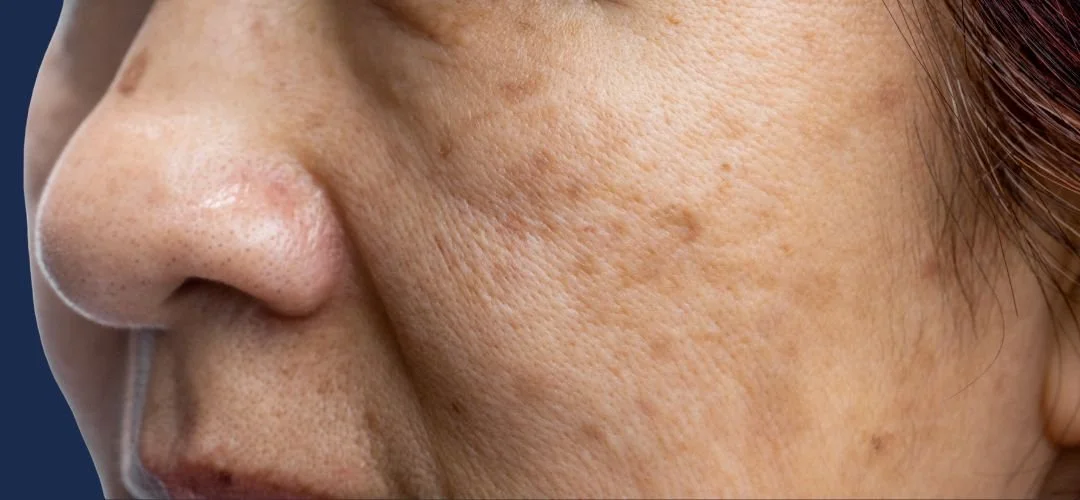
Melasma is not just “pigmentation.”
It’s a hormonally influenced pigment disorder.
It’s driven by a combination of:
Hormones
UV exposure
Inflammation
Heat
Genetics
This is why it commonly shows up:
During pregnancy
While on birth control
Around hormonal shifts like perimenopause
Where Estradiol Comes In
Estradiol is a biologically active form of estrogen.
In the skin, estrogen can:
Influence melanocytes (pigment-producing cells)
Increase activity in pathways that lead to pigment production
So when you introduce estradiol, even topically, you are introducing a signal that can activate pigmentation.
Why This Matters for Melasma-Prone Skin
If someone has:
A history of melasma
A tendency toward hyperpigmentation
Or even a genetic predisposition
Their melanocytes are already more reactive.
Adding estradiol can:
Amplify that response
Increase pigment production
Make melasma more difficult to control
It Can Also “Unmask” Melasma
This is something many people don’t expect.
Someone may not have visible melasma yet, but they may be predisposed.
Estradiol can act as a trigger that:
Brings out pigmentation that was not previously noticeable
Accelerates the development of melasma
This is what I mean when I say it can “unmask” melasma.
“But It’s Topical. Does That Change the Risk?”
Topical estradiol is intended to act locally.
But two important things to understand:
Local does not mean zero absorption
The skin itself is a hormonally responsive organ
So even a localized application can:
Influence pigment pathways in the skin
Particularly in susceptible individuals
Why I Don’t Recommend It for Melasma
In my practice, I think in terms of tradeoffs.
Estradiol may improve:
Skin thickness
Hydration
Collagen support
But if it worsens melasma, that tradeoff is often not worth it.
Because of melasma:
Is chronic
Is difficult to treat
Is easily re-triggered
So in patients with:
Existing melasma
Or a strong tendency toward pigmentation
I generally do not recommend estradiol for facial use.
The Bigger Picture
This is where nuance matters.
Estradiol is not “good” or “bad” for the skin.
It is context-dependent.
For some women, it may offer benefits.
For others, especially those prone to melasma, it can create a new and frustrating problem.
What This Conversation Should Really Be About
Not:
“Is estradiol the best anti-aging treatment?”
But:
“What is the right approach for your skin, based on your biology?”
Bottom Line
Estradiol can:
Worsen melasma
Trigger it for the first time
And if you are prone to pigmentation, that risk should be taken seriously.
